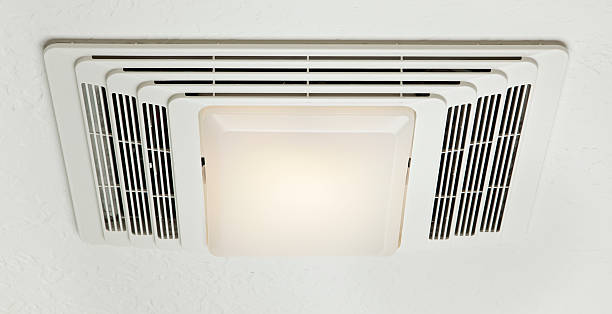
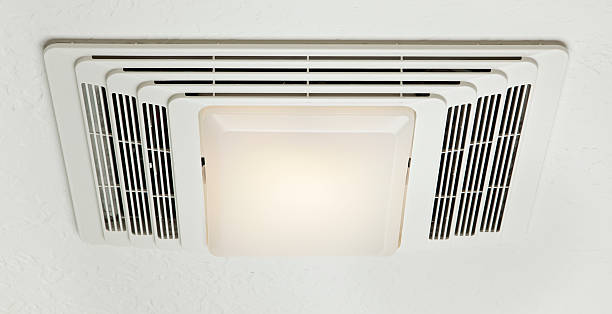
One of the most overlooked parts of the home is the bathroom fan. Overtime your bathroom fan will collect dust and while it is true that this doesn’t look nice and the thought of blowing dust around is gross, the real reason to stay on top of this is even more important: Your bathroom fan helps mitigate humidity. When dust builds up on the inside and outside of the fan, the fan has to work harder and it becomes less effective in removing humidity in the air. You may also notice that the fan gets louder.
Once a year it is a good idea to clean dust build up on all surfaces of the fan: the cover, inside, and fan blades. Although this is an easy DIY project that can be done in under 10 minutes, most people don’t think about it.
When fans are not working well, undersized for the bathroom, or not used at all, moisture will build up which can lead to water damage. Signs of too much moisture include mold and cracking or peeling paint.
Signs of too much moisture in the bathroom include mold and cracking or peeling paint.
What do you do if you suspect extra moisture in your bathroom? First, assess the issue. If you have cleaned the fan and are still having problems with humidity, there are a few possible solutions:
- Consider a timer. A timer can be installed to allow the fan to run for a certain amount of time each day before automatically turning off.
- Get a bigger fan. If your current fan struggles to keep up, swapping out a fan with a bigger unit can provide the boost needed to maintain a dry bathroom. Changing to a bigger unit normally only takes about three hours.
By staying on top of bathroom humidity, you can save yourself costly repairs caused by water damage and possible health problems from mold in your home.
Do you need help mitigating humidity in your bathroom? Contact me!
Please like this post if you found it helpful or write me a comment below.
 Cream City Maintenance & Remodeling, LLC