
Recently I came across a question about when to replace insulation. It’s a good question to ask as the days are getting colder. In the picture that the person had included with the question you could see that the insulation was almost black. As a professional the answer was clear to me: it needed to replaced.
Over the last 100 years homes have gone from wood dust, cork, and wool to present day cellulose and fiberglass insulation. If you come across some of these older insulations, you will want to replace them with more efficient and modern insulation.
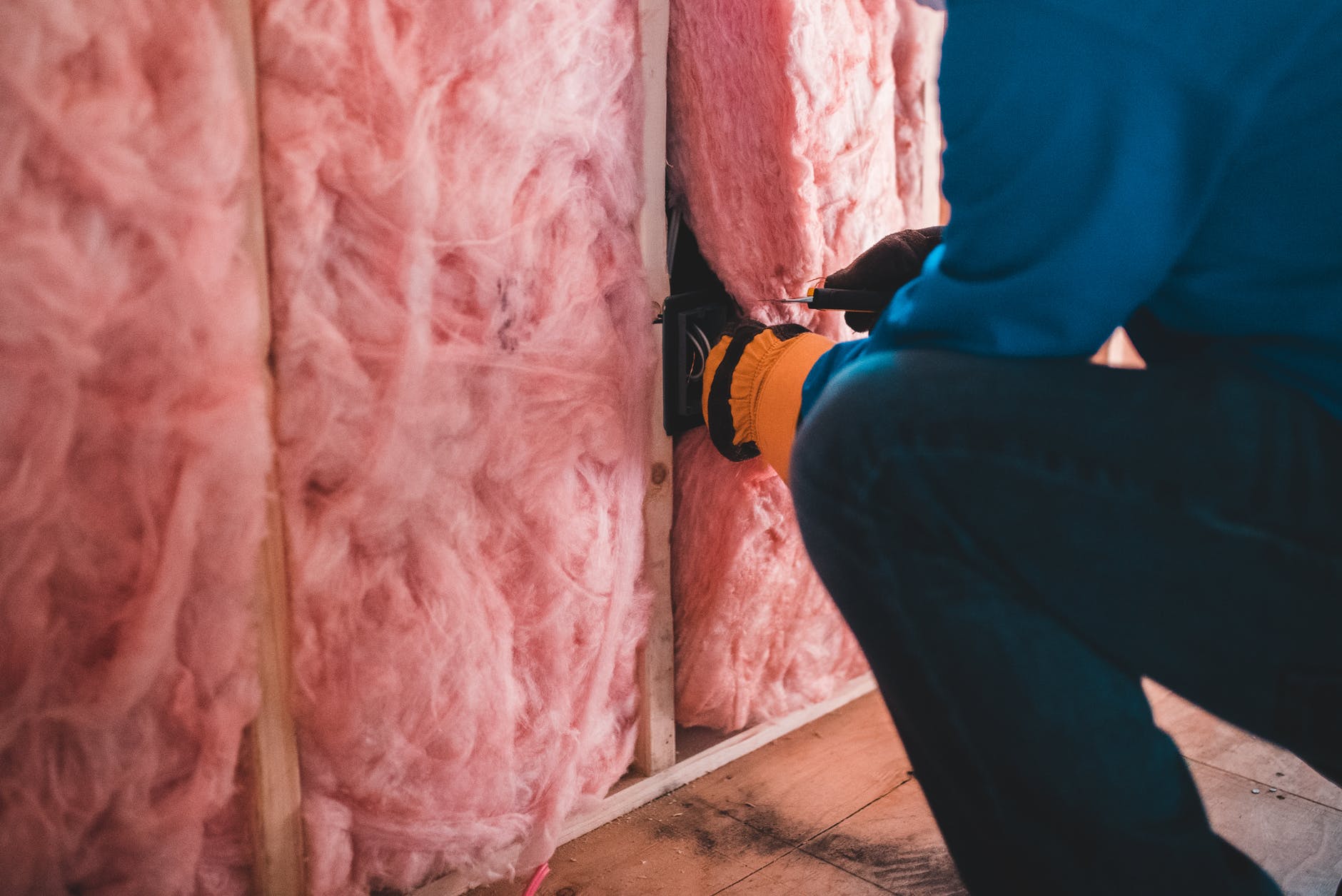
How can you check your insulation? There’s not a truly easy answer, but the best way to check is when and if you open up any outside walls. If you are not planning any major renovations anytime soon, you might be able to check in your attic or crawl spaces to see if insulation has been installed in those spaces. If you have a basement, you can also check between floor joists around the perimeter of the house.
Modern fiberglass insulation will become discolored if it gets wet or there is air leakage from your home. If you notice this, I recommend getting to the bottom of the issue. If you discover the insulation is wet, you will want to remove all of it to see what is causing the problem. Do you have a hole in your roof? A water leak from plumbing? Or is it something else? Removing the wet insulation will also help the area dry and stop any mold from growing. Water leaks are expensive and no fun, the sooner you find them and stop them, the better!
On the other hand, air leakage from your home is more straightforward. In newer homes, contractors do as much as they can to stop air leakage. This is why any holes on walls or attic ceilings from wires, HVAC or plumbing are filled. A vapor barrier with plastic sheeting is also applied to outside walls and attic ceilings. Any holes in the plastic and joints where the plastic overlaps should be taped. Make sure that outside walls and any hard to get to locations in the attic are insulated first before putting up plastic. Finally, remember that attics can be insulated at a later time using a blown in insulation.
If you live in an older home and are not sure about the state of your insulation, it is a good idea to check the spaces I mentioned above and assess the state of things. If you have any small holes that you can see daylight through, be sure to caulk those using a good exterior caulk in a color that matches the home. Remember, attic insulation is easy to check and take care of any time. It is also a good idea to assess and replace any damaged insulation when you planning to open up any outside walls, as this is a great opportunity to update insulation and make your home more energy efficient.
As always, I am here to help with your insulation and other home needs!
Please like this post if you found it helpful or write me a comment below.

